How long will a HydraFacial last?
The realistic 5–7 day glow window, and how often to rebook.
Skip a HydraFacial — or at least clear it with the provider first — if you have an active skin infection (like a cold sore or rash), a severe acne flare, a fresh sunburn, or a shellfish or aspirin allergy, since some of the serums used can contain ingredients derived from both. For most other skin types, it’s a gentle, no-downtime treatment.
Updated June 2026 · Plain-English candidacy guide · No paid placements
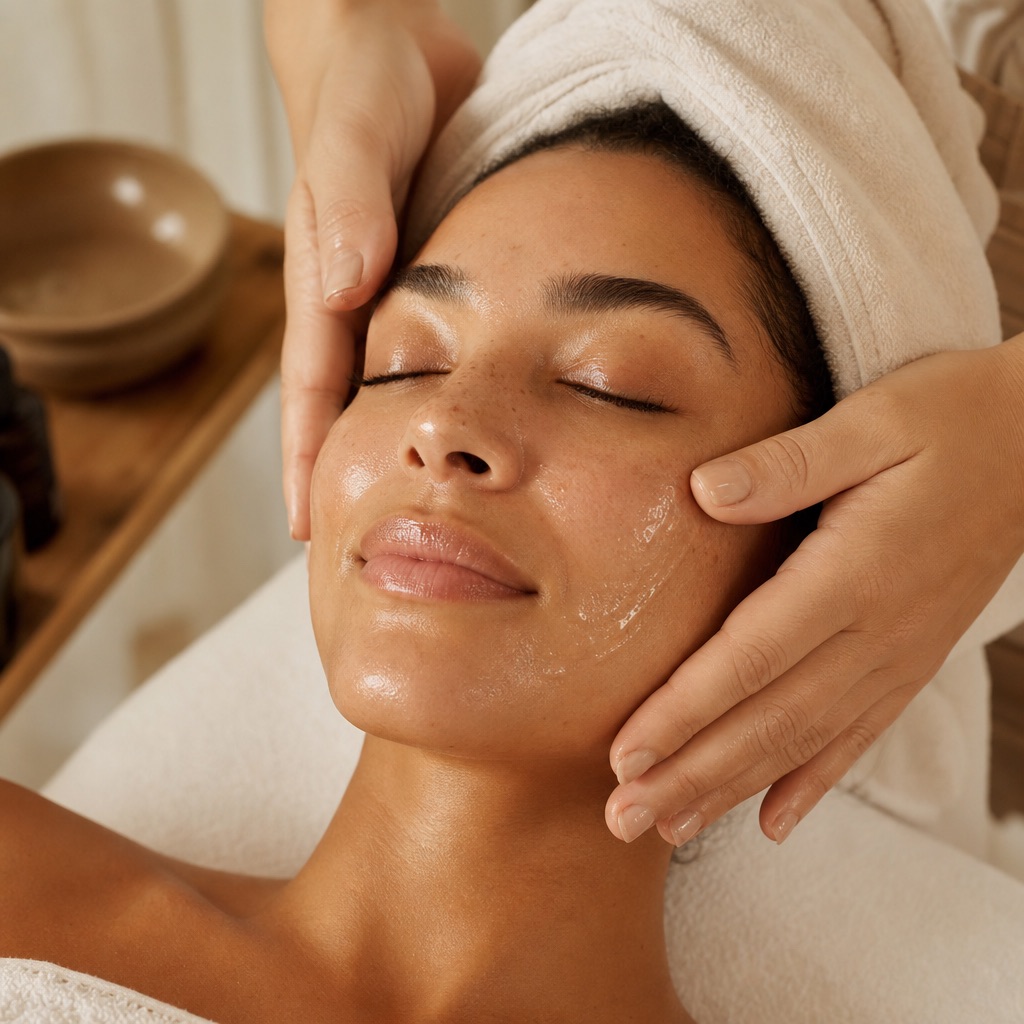
A HydraFacial is a non-invasive, multi-step treatment: a vacuum-based wand (the suction handpiece) deep-cleans, exfoliates, applies a light acid peel, extracts impurities, and infuses hydrating serums — all in about 30–45 minutes with no downtime. That gentleness is exactly why the do-not-book list is short. The exceptions are about what’s already on your skin and what’s in the bottles.
Anything active or inflamed comes first. An open cold sore, a rash, or any skin infection can be irritated — or spread — by exfoliation and suction, and a severe or cystic acne flare reacts the same way. A fresh sunburn is already compromised skin, so the peel step is an obvious no. None of these are permanent disqualifiers; they just mean rescheduling until your skin has calmed down. The less obvious one is allergies: some HydraFacial serums contain shellfish-derived ingredients, and the peel step typically uses salicylic acid, which is closely related to aspirin. If you’re allergic to either, say so at booking — a good provider will check ingredients or swap serums rather than guess.
If you do qualify — and most people do — the trade-offs are mild: results are temporary, with the glow, hydration, and plumpness lasting about 5–7 days, and providers usually suggest a repeat every 4–6 weeks to match the skin renewal cycle. The honest mention of these limits is a good sign in a spa; vague reassurance is not. Mention every allergy and medication at your consult, and see our full HydraFacial guide for how the steps work and what to ask.
The realistic 5–7 day glow window, and how often to rebook.
How a stronger peel compares when downtime actually matters.
Comparing the more intensive options if you want longer-lasting change.
The five steps, what it costs around Chicago, and where to go.
This guide is for information only — it isn’t medical advice. Always confirm credentials and suitability at your consult.