How much does PRP cost per session?
The local range, the three-session math, and what moves the price.
PRP most often fails for three reasons: poor patient selection, inaccurate injection or application technique, and inconsistent preparation — how the blood is drawn and spun changes the platelet concentration you actually receive. Sometimes, though, it hasn’t failed at all: results are gradual by design, with first improvement typically at 4–6 weeks and full benefits over three months or more.
Updated June 2026 · Research-backed · No paid placements
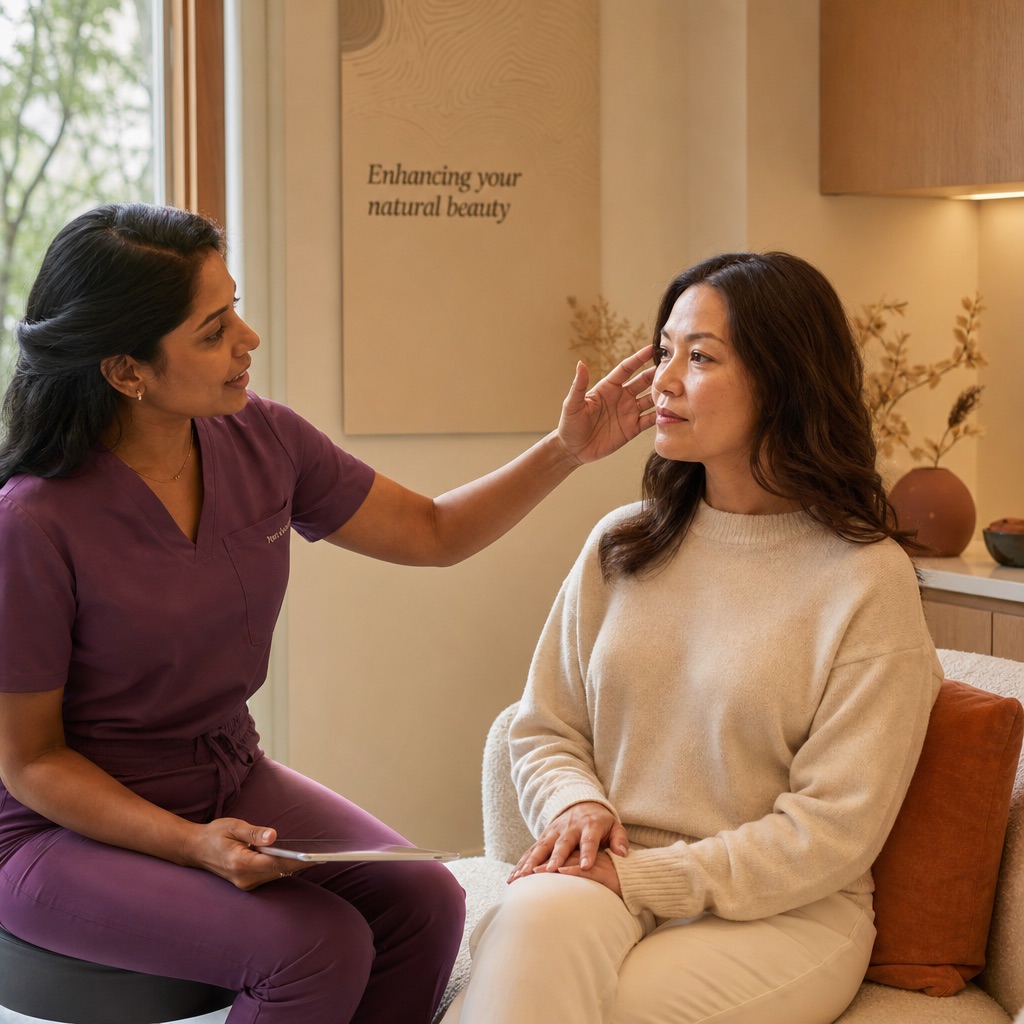
The wrong candidate. PRP (platelet-rich plasma — concentrated platelets from your own blood that nudge the body’s healing and growth response) works with your biology, not around it. It tends to perform best when the concern is addressed early rather than after years of progression, and a careful provider will tell you up front if you’re not a strong fit. A spa that says yes to everyone is the first warning sign — poor candidate selection is the most common reason results disappoint.
Technique and preparation. Where the plasma goes matters as much as what’s in it: imprecise injection placement is a classic failure point. So is the prep itself — PRP isn’t one standardized product, and inconsistent processing between visits or between providers means the platelet concentration can vary from dose to dose. At your consult, ask how the practice prepares its PRP and who actually performs the treatment. This is also why “cheapest available” is a risky way to shop for PRP.
Things you control. Providers typically ask you to stop NSAIDs (anti-inflammatory painkillers like ibuprofen) for 5–7 days before treatment and to hydrate well — PRP leans on your natural inflammatory healing response, and blunting it works against the treatment. Spacing matters too: the standard rhythm is sessions about four weeks apart, not back-to-back. And judge results on the right clock. Signs PRP is working are gradual, so deciding it “failed” at week two is usually just measuring too early.
The local range, the three-session math, and what moves the price.
A frequent PRP pairing — what that add-on runs per session.
Weighing collagen-stimulating alternatives? Start with this comparison.
How it works, pricing, prep, and where to go across Chicago & NWI.
This guide is for information only — it isn’t medical advice. Always confirm credentials and suitability at your consult.